Author: ascom@catolicaorione.edu.br

  • The Founding of YouTube A Short History

    YouTube is one of the most influential platforms in modern media, but its origin story is surprisingly simple: a small team wanted an easier way to share video online. In the early 2000s, uploading and sending video files was slow, formats were inconsistent, and most websites weren’t built for smooth playback. YouTube’s founders focused on removing those barriers—making video sharing as easy as sending a link.

    Who Founded YouTube?

    YouTube was founded by three former PayPal employees: Chad Hurley, Steve Chen, and Jawed Karim. They combined product thinking, engineering skills, and a clear user goal: create a website where anyone could upload a video and watch it instantly in a browser.

    • Chad Hurley — product/design focus and early CEO role
    • Steve Chen — engineering and infrastructure
    • Jawed Karim — engineering and early concept support

    The Problem YouTube Solved

    At the time, sharing video often meant emailing huge files or dealing with complicated players and downloads. YouTube made video:

    1. Uploadable by non-experts (simple interface)
    2. Streamable in the browser (no special setup)
    3. Sharable through links and embedding on other sites

    Early Growth and the First Video

    YouTube launched publicly in 2005. One of the most famous early moments was the first uploaded video, “Me at the zoo,” featuring co-founder Jawed Karim. The clip was short and casual—exactly the kind of everyday content that proved the platform’s big idea: ordinary people could publish video without needing a studio.

    Key Milestones Timeline

    Year/Date
    Milestone
    Why It Mattered
    2005 YouTube is founded and launches Introduced easy browser-based video sharing
    2005 “Me at the zoo” is uploaded Became a symbol of user-generated video culture
    2006 Google acquires YouTube Provided resources to scale hosting and global reach

    Why Google Bought YouTube

    By 2006, YouTube’s traffic was exploding. Video hosting is expensive—bandwidth and storage costs rise fast when millions of people watch content daily. Google’s acquisition gave YouTube the infrastructure and advertising ecosystem to grow into a sustainable business.

    What YouTube’s Founding Changed

    YouTube didn’t just create a popular website; it reshaped how people learn, entertain themselves, and build careers online. Its founding helped accelerate:

    • Creator-driven media and influencer culture
    • How-to education and free tutorials at massive scale
    • Music discovery, commentary, and global community trends

    From a small startup idea to a global video powerhouse, YouTube’s founding is a classic example of a simple product solving a real problem—and changing the internet in the process.

  • Whales: Giants of the Ocean

    Whales: Giants of the Ocean

    Whales are among the largest and most remarkable animals on Earth. These marine mammals live in oceans around the world, from warm tropical waters to the cold seas surrounding the poles.

    Life Beneath the Surface

    Although whales spend their lives in water, they breathe air through blowholes located on top of their heads. They must regularly return to the surface to breathe before diving again in search of food or traveling through the ocean.

    Whales are warm-blooded, give birth to live young, and nurse their calves with milk. A thick layer of fat called blubber helps protect them from cold water and stores energy during long migrations.

    Two Main Groups

    Whales are generally divided into baleen whales and toothed whales. Baleen whales filter small animals from the water using flexible plates inside their mouths. This group includes blue whales, humpback whales, and gray whales.

    Toothed whales use teeth to catch fish, squid, and other prey. Many of them also use echolocation, producing sounds and listening for returning echoes to understand their surroundings. Sperm whales, belugas, and orcas belong to this group.

    The Blue Whale

    The blue whale is the largest known animal to have ever lived. An adult can grow longer than a city bus and weigh well over one hundred tonnes. Despite its enormous size, it feeds mainly on tiny crustaceans called krill.

    Communication and Migration

    Whales communicate using clicks, whistles, pulses, and complex songs. Some sounds can travel across great distances underwater. Humpback whales are especially famous for their long, patterned songs.

    Many species migrate thousands of kilometres each year. They often feed in cold, nutrient-rich waters before traveling to warmer regions where they mate and give birth.

    Protecting Whales

    Commercial hunting once caused severe declines in many whale populations. Today, whales also face threats from fishing gear, ship collisions, underwater noise, pollution, and changes to ocean ecosystems.

    Conservation programs, safer fishing practices, protected habitats, and international cooperation can help whale populations recover. Protecting whales also supports healthier oceans because these animals play an important role in marine food webs and nutrient cycles.

  • Whales: Giants of the Ocean

    Whales: Giants of the Ocean

    Whales are among the largest and most remarkable animals on Earth. These marine mammals live in oceans around the world, from warm tropical waters to the cold seas surrounding the poles.

    Life Beneath the Surface

    Although whales spend their lives in water, they breathe air through blowholes located on top of their heads. They must regularly return to the surface to breathe before diving again in search of food or traveling through the ocean.

    Whales are warm-blooded, give birth to live young, and nurse their calves with milk. A thick layer of fat called blubber helps protect them from cold water and stores energy during long migrations.

    Two Main Groups

    Whales are generally divided into baleen whales and toothed whales. Baleen whales filter small animals from the water using flexible plates inside their mouths. This group includes blue whales, humpback whales, and gray whales.

    Toothed whales use teeth to catch fish, squid, and other prey. Many of them also use echolocation, producing sounds and listening for returning echoes to understand their surroundings. Sperm whales, belugas, and orcas belong to this group.

    The Blue Whale

    The blue whale is the largest known animal to have ever lived. An adult can grow longer than a city bus and weigh well over one hundred tonnes. Despite its enormous size, it feeds mainly on tiny crustaceans called krill.

    Communication and Migration

    Whales communicate using clicks, whistles, pulses, and complex songs. Some sounds can travel across great distances underwater. Humpback whales are especially famous for their long, patterned songs.

    Many species migrate thousands of kilometres each year. They often feed in cold, nutrient-rich waters before traveling to warmer regions where they mate and give birth.

    Protecting Whales

    Commercial hunting once caused severe declines in many whale populations. Today, whales also face threats from fishing gear, ship collisions, underwater noise, pollution, and changes to ocean ecosystems.

    Conservation programs, safer fishing practices, protected habitats, and international cooperation can help whale populations recover. Protecting whales also supports healthier oceans because these animals play an important role in marine food webs and nutrient cycles.
  • Whales: Giants of the Ocean

    Whales: Giants of the Ocean

    Whales are among the largest and most remarkable animals on Earth. These marine mammals live in oceans around the world, from warm tropical waters to the cold seas surrounding the poles.

    Life Beneath the Surface

    Although whales spend their lives in water, they breathe air through blowholes located on top of their heads. They must regularly return to the surface to breathe before diving again in search of food or traveling through the ocean.

    Whales are warm-blooded, give birth to live young, and nurse their calves with milk. A thick layer of fat called blubber helps protect them from cold water and stores energy during long migrations.

    Two Main Groups

    Whales are generally divided into baleen whales and toothed whales. Baleen whales filter small animals from the water using flexible plates inside their mouths. This group includes blue whales, humpback whales, and gray whales.

    Toothed whales use teeth to catch fish, squid, and other prey. Many of them also use echolocation, producing sounds and listening for returning echoes to understand their surroundings. Sperm whales, belugas, and orcas belong to this group.

    The Blue Whale

    The blue whale is the largest known animal to have ever lived. An adult can grow longer than a city bus and weigh well over one hundred tonnes. Despite its enormous size, it feeds mainly on tiny crustaceans called krill.

    Communication and Migration

    Whales communicate using clicks, whistles, pulses, and complex songs. Some sounds can travel across great distances underwater. Humpback whales are especially famous for their long, patterned songs.

    Many species migrate thousands of kilometres each year. They often feed in cold, nutrient-rich waters before traveling to warmer regions where they mate and give birth.

    Protecting Whales

    Commercial hunting once caused severe declines in many whale populations. Today, whales also face threats from fishing gear, ship collisions, underwater noise, pollution, and changes to ocean ecosystems.

    Conservation programs, safer fishing practices, protected habitats, and international cooperation can help whale populations recover. Protecting whales also supports healthier oceans because these animals play an important role in marine food webs and nutrient cycles.
  • Faculdade Católica Dom Orione integra o Fórum Agosto Lilás e reforça compromisso com os direitos das mulheres

    Faculdade Católica Dom Orione integra o Fórum Agosto Lilás e reforça compromisso com os direitos das mulheres

    Faculdade Católica Dom Orione integra o Fórum Agosto Lilás e reforça compromisso com os direitos das mulheres

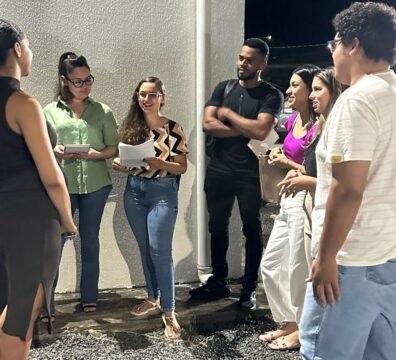
    Estudantes e professores do Curso de Direito – NUPJUR  e do Curso de Psicologia participam de ação vinculada à Secretaria Municipal da Mulher de Araguaína e o Conselho Municipal dos Direitos da Mulher

    Em atendimento ao Ofício nº 209/2026/GAB/SEMUL, encaminhado pela Secretária Municipal da Mulher da Prefeitura de Araguaína ao Diretor-Presidente da Faculdade Católica Dom Orione, os estudantes dos cursos da Faculdade católica Dom Orione participam, a partir de 07 de agosto, de atividade extraclasse vinculada ao Fórum Agosto Lilás e Fortalecimento às Mulheres.

    O Agosto Lilás foi instituído pela Lei Federal nº 14.448/2022 como o mês nacional de conscientização para o fim da violência contra a mulher. Em Araguaína, o Fórum é promovido pela Secretaria Municipal da Mulher (SEMUL), pelo Conselho Municipal dos Direitos da Mulher e por instituições parceiras da Rede Local de Proteção às Mulheres,  entre elas, a Faculdade Católica Dom Orione, por meio do NUPJUR (Núcleo de Prática Jurídica).

    Além dos estudantes de Direito, o curso de Psicologia, também integra a ação, ampliando o alcance interdisciplinar da participação da Faculdade Católica Dom Orione na rede de proteção.

    A iniciativa aproxima os acadêmicos da realidade vivenciada por grupos em situação de vulnerabilidade, unindo formação técnica e sensibilidade humana diante de um dos temas mais urgentes da sociedade contemporânea. Ao longo do evento Agosto Lilás, os estudantes vão elaborar relatos de experiência, que serão apresentados em comunicação oral durante o III Fórum Científico e de Extensão da Faculdade Católica Dom Orione, nos dias 6 e 7 de novembro de 2026.

    Com essa participação, a Faculdade Católica Dom Orione reafirma seu compromisso com a formação humanística, a extensão universitária e o fortalecimento das políticas públicas de proteção aos direitos humanos, contribuindo para consolidar a rede locorregional de apoio a grupos vulnerabilizados.

    Realização: Secretaria Municipal da Mulher (SEMUL), Conselho Municipal dos Direitos da Mulher e instituições parceiras da rede de proteção à mulher de Araguaína. Instituição parceira: Faculdade Católica Dom Orione, por meio do NUPJUR, do curso de Direito e do curso de Psicologia.


  • Projeto: Mulheres, maternidade e previdência social – relato de experiência extensionista sobre direitos previdenciários da gestante.

    Projeto: Mulheres, maternidade e previdência social – relato de experiência extensionista sobre direitos previdenciários da gestante.

    Projeto: Mulheres, maternidade e previdência social – relato de experiência extensionista sobre direitos previdenciários da gestante.

    Leia

    CONFIRA MAIS SOBRE O EVENTO

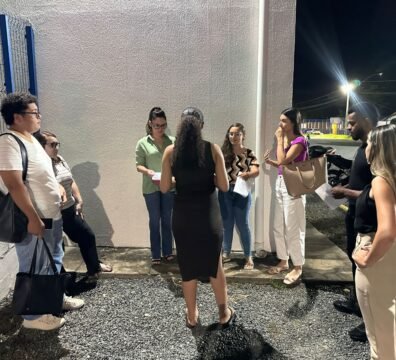
    O projeto de extensão “Mulheres, Maternidade e Previdência Social” teve como objetivo promover a divulgação e o esclarecimento dos direitos previdenciários das mulheres gestantes, com especial atenção às seguradas facultativas e às microempreendedoras individuais (MEI). A proposta surgiu da necessidade de ampliar o acesso a informações sobre benefícios previdenciários relacionados à maternidade, contribuindo para o fortalecimento da cidadania e da proteção social. As atividades foram desenvolvidas em etapas de planejamento, pesquisa e execução. Inicialmente, os acadêmicos realizaram estudos sobre a legislação previdenciária vigente, analisando direitos como salário-maternidade, qualidade de segurada e benefícios destinados às trabalhadoras gestantes. Em seguida, foi realizada uma entrevista orientativa com uma mulher gestante, oportunidade em que os participantes apresentaram informações acessíveis sobre seus direitos e esclareceram dúvidas relacionadas à proteção previdenciária e trabalhista durante a gestação. Como principais resultados, observou-se que a participante possuía conhecimento limitado sobre alguns benefícios e requisitos legais, evidenciando a importância de ações educativas voltadas à comunidade. A atividade possibilitou a ampliação do conhecimento da entrevistada sobre seus direitos e proporcionou aos estudantes uma experiência prática de aplicação dos conteúdos estudados. Além disso, fortaleceu a integração entre universidade e sociedade, demonstrando a relevância da extensão universitária na disseminação de informações, na promoção da cidadania e no incentivo ao acesso efetivo aos direitos previdenciários das mulheres gestantes.

    Integrantes: Ana Clara Ferreira Marangoni; Alawilson Andrade da Silva; Andressa Silva dos Santos; Flávia Santos Alves; Jackellinny Rocha Barbosa; Leonardo Sousa Alencar; Thaiany Gomes de Menezes.


    Local de execução: Estacionamento da Faculdade Católica Dom Orione, Araguaína–TO.

  • Projeto: A Proteção do Consumidor no Comércio Eletrônico – Desafios da Publicidade Enganosa e do Superendividamento na Era Digital

    Projeto: A Proteção do Consumidor no Comércio Eletrônico – Desafios da Publicidade Enganosa e do Superendividamento na Era Digital

    Projeto: A Proteção do Consumidor no Comércio Eletrônico – Desafios da Publicidade Enganosa e do Superendividamento na Era Digital

    Leia

    CONFIRA MAIS SOBRE O EVENTO

    Local de Execução: Shopping Lago Center
    Ação: A ação extensionista realizada pelo Grupo Integrador teve como objetivo principal conscientizar os consumidores sobre os riscos e direitos no comércio eletrônico, focando no combate à publicidade enganosa e ao superendividamento na era digital. Para a execução do projeto, o grupo estabeleceu uma parceria com a equipe de marketing do Shopping Lago Center, em Araguaína, Tocantins, que disponibilizou um espaço estratégico próximo à entrada principal do estabelecimento para a abordagem do público.
    As atividades práticas consistiram na distribuição de panfletos informativos e na realização de diálogos rápidos com os clientes que circulavam pelo local. Durante as abordagens, os integrantes do grupo pautaram orientações essenciais do Código de Defesa do Consumidor voltadas ao ambiente virtual, tais como o direito de arrependimento em até sete dias, o prazo legal de noventa dias para a troca de produtos com vício durável e os cuidados necessários diante de links suspeitos e ofertas excessivamente vantajosas. Adicionalmente, foram divulgados canais oficiais de suporte, como o Procon municipal, a plataforma federal consumidor.gov.br e o portal de reputação empresarial Reclame Aqui.
    Como principais resultados, o projeto evidenciou um cenário de vulnerabilidade informacional. Embora a ação tenha gerado momentos de interatividade qualificada, como o atendimento a dúvidas específicas da equipe de segurança do shopping, a maior parte dos transeuntes demonstrou distanciamento ou desconhecimento básico acerca de suas prerrogativas legais nas compras online. Muitos abordados relataram perceber a busca por direitos como um processo complexo. Desse modo, o resultado geral reforçou a necessidade de ações contínuas de educação para o consumo, visto que o público-alvo comportou-se predominantemente de forma passiva.

  • Extensão: As Perspectivas do Direito Penal sobre o Caso Jeffrey Epstein

    Extensão: As Perspectivas do Direito Penal sobre o Caso Jeffrey Epstein

    Extensão: As Perspectivas do Direito Penal sobre o Caso Jeffrey Epstein

    Leia

    CONFIRA MAIS SOBRE O EVENTO


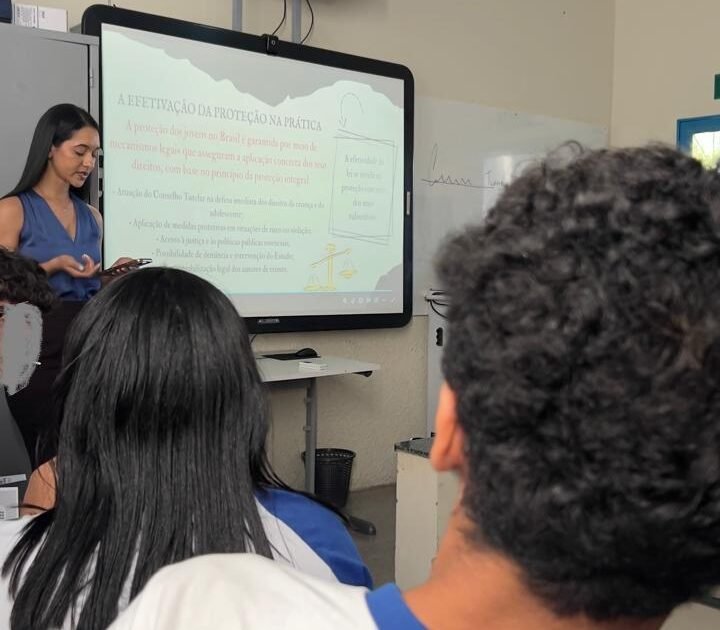
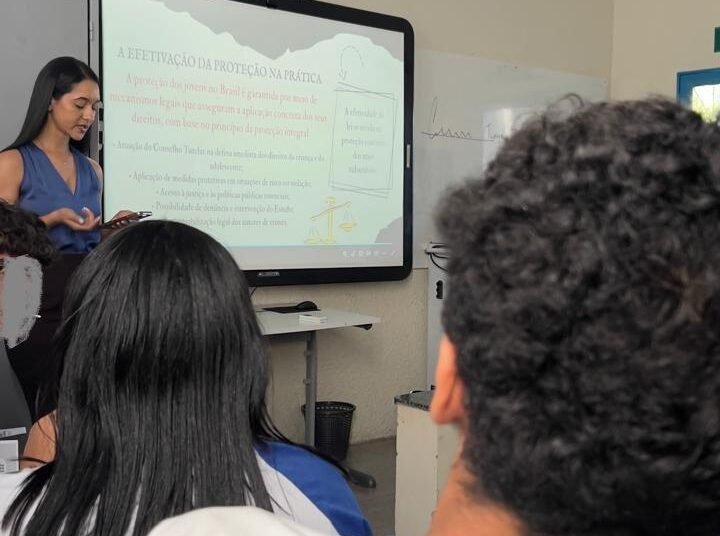
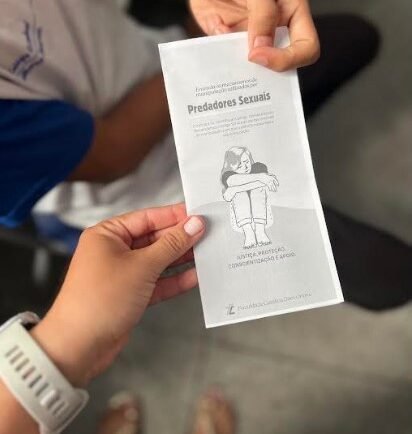
    O projeto “As Perspectivas do Direito Penal sobre o Caso Jeffrey Epstein” teve como objetivo promover uma reflexão crítica acerca dos crimes contra a dignidade sexual, analisando o caso Jeffrey Epstein sob a ótica do ordenamento jurídico brasileiro. A atividade buscou conscientizar o público sobre temas como exploração sexual, tráfico humano, manipulação psicológica, consentimento e proteção de crianças e adolescentes, utilizando fundamentos do Código Penal, do Estatuto da Criança e do Adolescente (ECA) e da Lei de Organização Criminosa.

    Durante a execução do projeto, foram realizadas apresentações expositivas e debates educativos com apoio de slides informativos, abordando a trajetória de Epstein, a chamada “rede de silêncio” presente no caso e os fatores psicológicos que dificultam a denúncia por parte das vítimas. Também foram discutidos os principais crimes relacionados à violência sexual, como estupro de vulnerável, assédio, tráfico humano e exploração sexual, além da importância do consentimento livre, informado e consciente.

    A ação permitiu ampliar o conhecimento dos participantes acerca dos mecanismos de proteção legal existentes no Brasil, destacando a importância da informação como instrumento de prevenção e defesa dos direitos humanos. Como principais resultados, observou-se a conscientização do público sobre a gravidade dos crimes sexuais, o fortalecimento do debate sobre acolhimento às vítimas e a valorização do papel da legislação na proteção de pessoas em situação de vulnerabilidade. O projeto contribuiu significativamente para a formação crítica e social dos envolvidos, incentivando o combate à violência e à cultura do silêncio.

    Integrantes:
    Maria Eduarda Andrade e Silva
    Nayra Cibelly Borges dos Santos
    Noemy Gabrielly Sampaio Soares
    Rafaela de Abreu Miranda
    Samara Sousa Gonçalves
    Sarah Geovana Teixeira Guimarães
    Suelen Silva Primo
    Yara Brandão de Sousa